

Detection Layer
Control Layer
Recovery Layer
Identity Defense
Cybersecurity
Cybersecurity
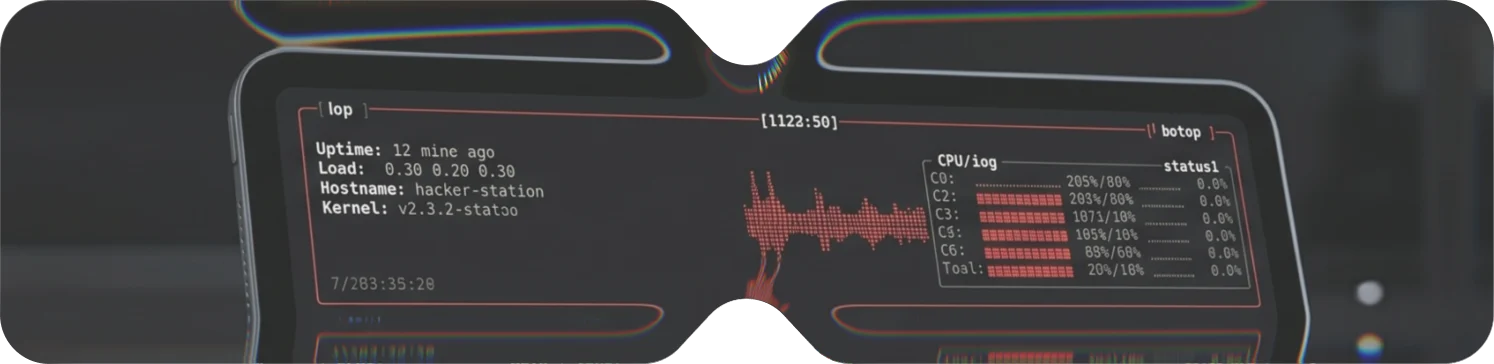

Active defense architecture for critical systems, identity layers, and high-impact incident response.
The direction combines Labs-grade detection research with production incident playbooks, so security signals become fast operational decisions.
Cybersecurity here is built to reduce dwell time, contain blast radius, and maintain service continuity across distributed assets and critical operator roles.
Threat telemetry, identity confidence, and service health are linked so containment actions protect uptime instead of breaking customer operations.


Detection tuning reduces analyst fatigue, critical incidents move from detection to containment in minutes, and stronger identity controls improve trust in privileged operations. The cyber program is built around measurable service continuity, not dashboard theater.

The cyber direction combines detection engineering, identity hardening, and recovery discipline into one operational defense stack.
Threat Detection Engineering
Correlate events across endpoint, network, identity, and cloud layers for earlier compromise detection and cleaner escalation paths.
Identity & Access Defense
Zero-trust controls, privilege monitoring, and adaptive verification across critical operator roles reduce credential abuse risk.
Response & Recovery
Structured runbooks for containment, restoration, and post-incident hardening support continuity across distributed assets.

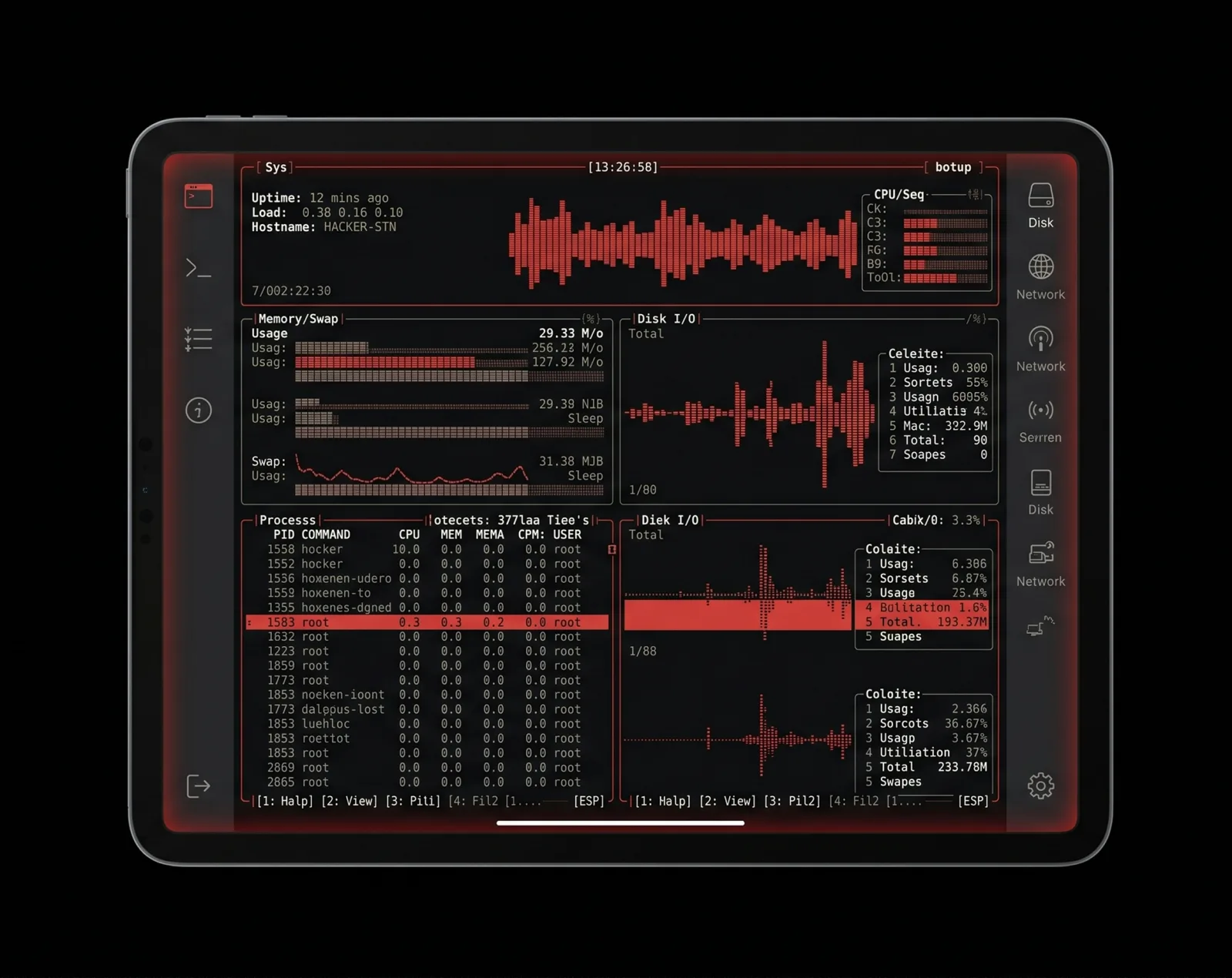
Detection Layer
Signal stack
- SIEM correlation
- Behavioral anomaly scoring
- Threat hunting pipelines
- Real-time incident triage

Control Layer
Trust enforcement
- Privileged access controls
- Adaptive MFA workflows
- Segmentation policy orchestration
- Device trust checks
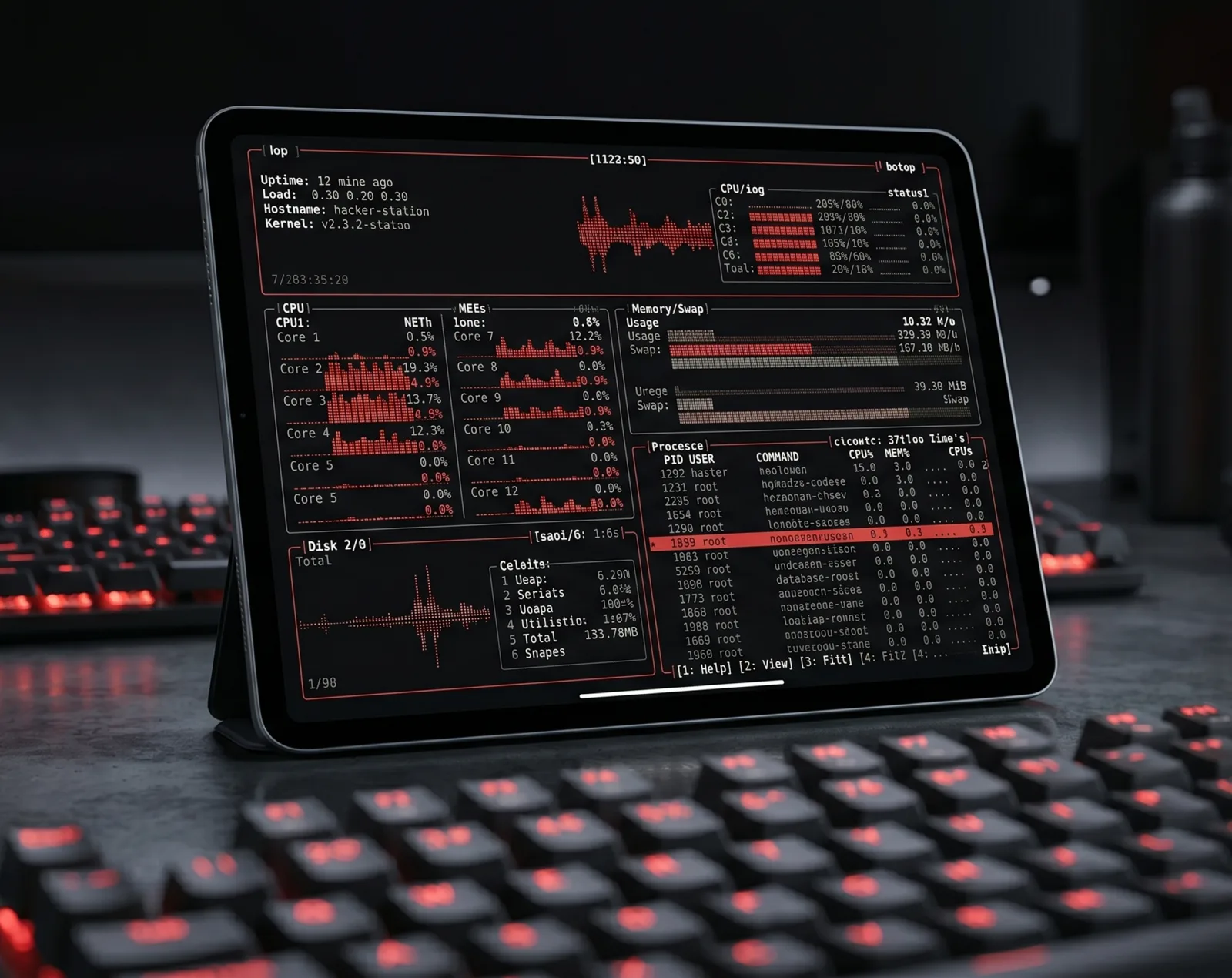
Recovery Layer
Continuity logic
- Containment playbooks
- Service restoration sequencing
- Backup integrity checks
- Executive recovery dashboard
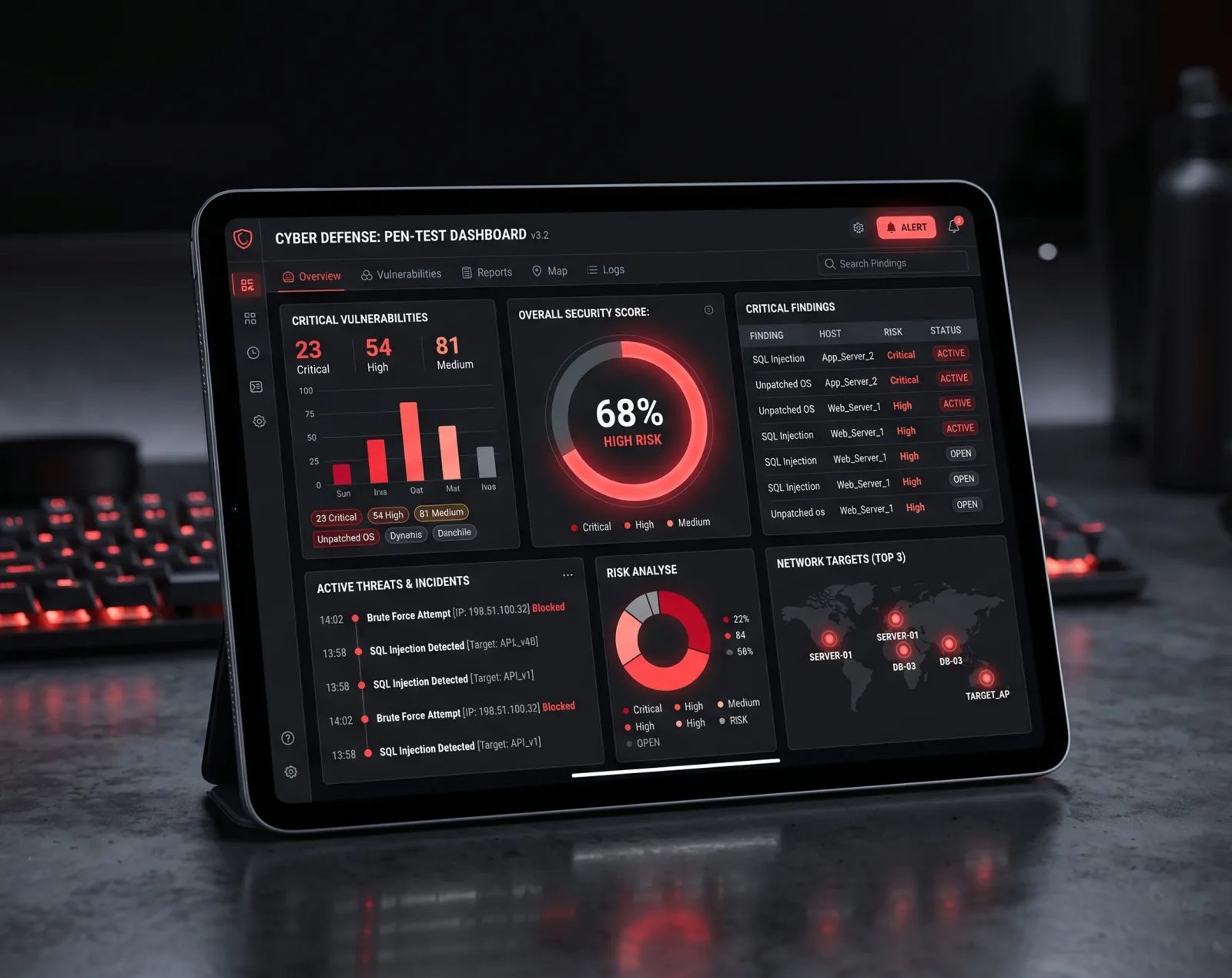
Identity & Cloud
Risk posture
- Cloud posture alerts
- Identity compromise heuristics
- Session trust scoring
- Change-risk monitoring


Security actions must tie directly to business continuity. This direction operates where SOC signals, identity confidence, endpoint telemetry, and service-health indicators need to converge into one response model. The goal is not just perimeter protection, but reliable uptime under real incident pressure.
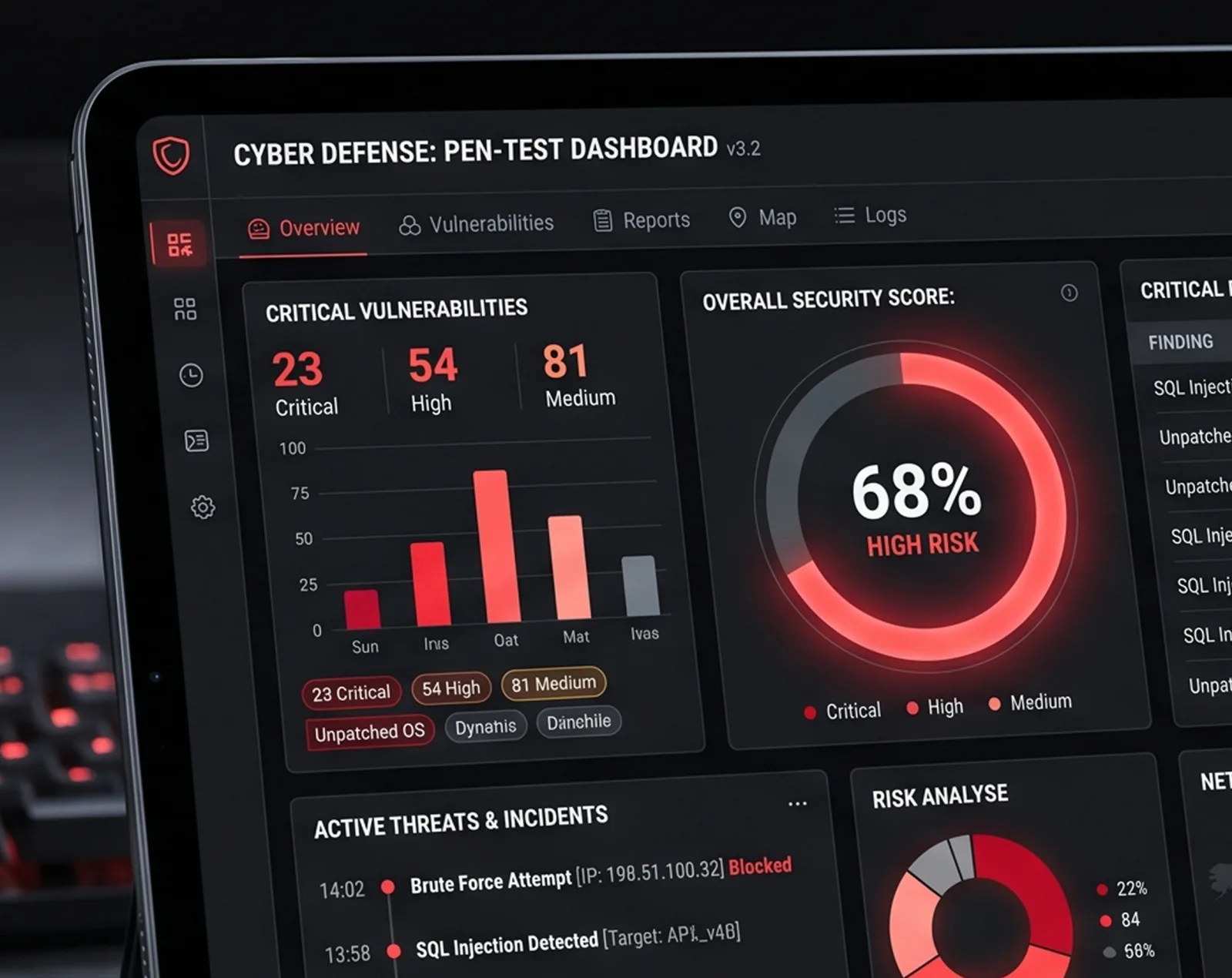

Implementation Lifecycle

Threat Surface Baseline
Weeks 1-3
Asset mapping, telemetry normalization, and risk scoring setup establish a measurable starting point.

Detection Rollout
Weeks 4-8
Use cases, triage workflows, and response orchestration bring signal quality and escalation discipline into production.

Identity Hardening
Weeks 9-12
Privileged controls, trust policies, and segmentation alignment reduce abuse risk across critical roles.

Resilience Optimization
Ongoing
Recovery drills, forensic automation, and governance reinforcement turn the cyber stack into a continuous operating system.



Detection Quality
-42% alert noise
Detection tuning reduces low-value escalations and analyst fatigue while improving operator attention on real compromise signals.
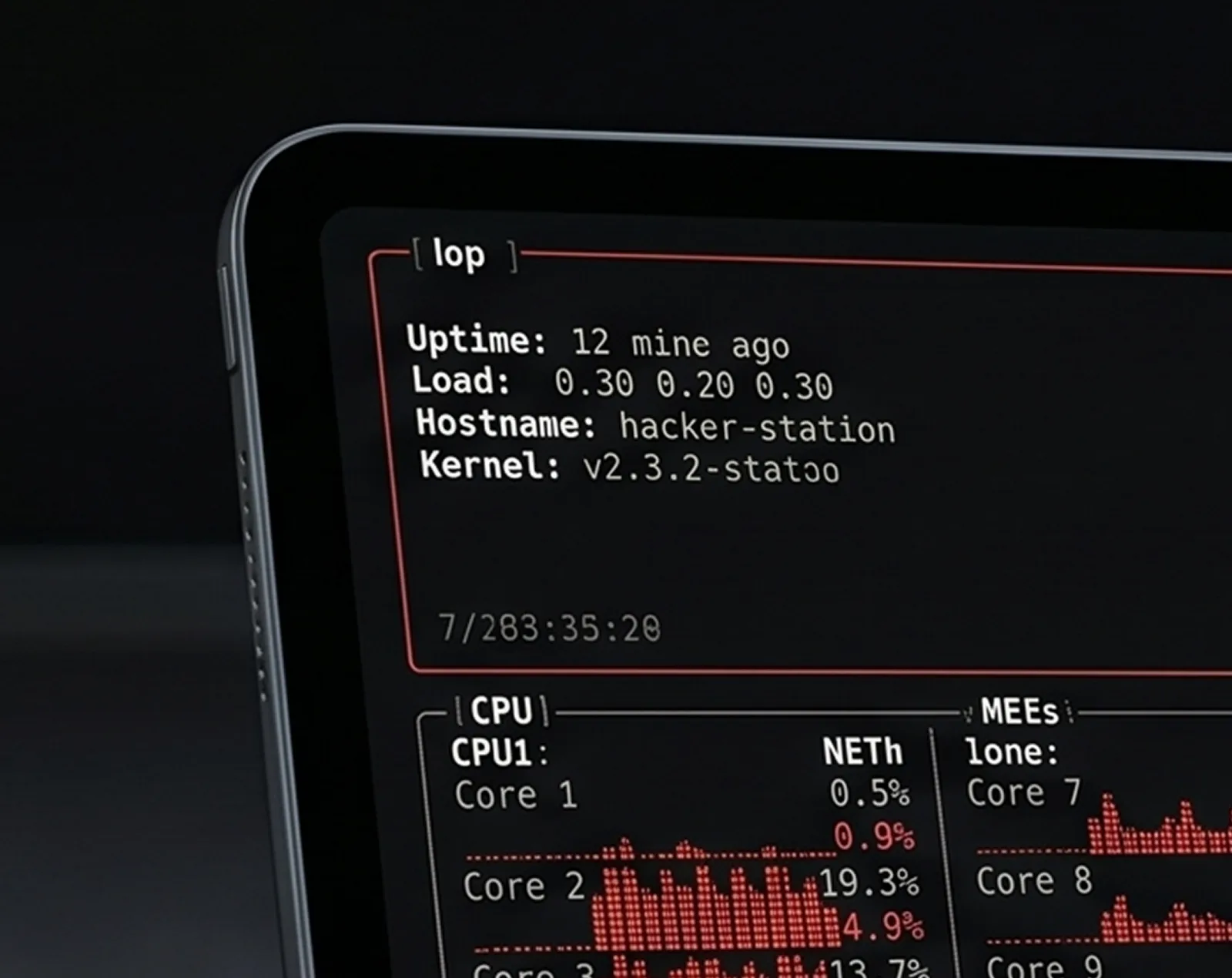
Recovery Discipline
72h target
Containment, restoration, and post-incident hardening are aligned to business continuity instead of isolated security tasks.
Group Structure
Cybersecurity inside the wider operating portfolio
Every direction is built on shared Labs capabilities, with its own sector logic, operating priorities, and deployment context. Cybersecurity is highlighted below as the active focus inside the group structure.
Core research, platform architecture, and standardized technology transfer across all directions. Open page
Precision operations, yield analytics, and optimization for modern agricultural production chains. Open page
Identity verification, KYC/AML controls, and deepfake defense for regulated businesses and trust-critical workflows. Open page
Detection engineering, identity defense, incident response, and resilience operations for critical digital systems. Open page
Data-led branding, launch systems, and audience infrastructure for ambitious brands under live-market pressure. Open page
Digital port transformation, live command systems, and secure cargo visibility for complex infrastructure operations. Open page
Monitoring, forecasting, and optimization systems for generation and distribution networks. Open page