

Live Visibility
Security Response
Digital Twin
Predictive Ops
Infrastructure
Infrastructure
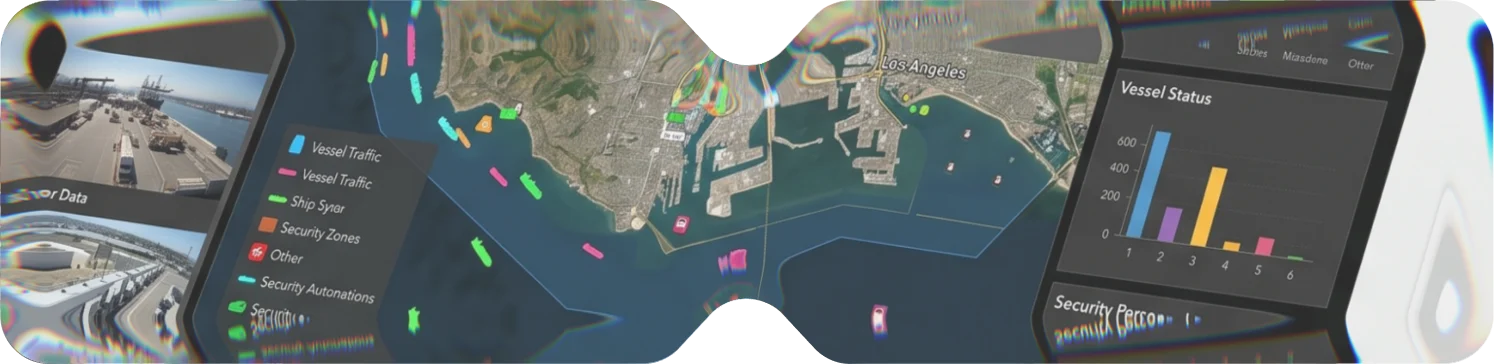

Smart port transformation for secure cargo flow, unified operations, and live decision-making.
Ports lose visibility when systems stay disconnected. Cargo loss or route deviation is discovered too late, incidents happen outside one shared view, and leadership is forced to manage from outdated snapshots.
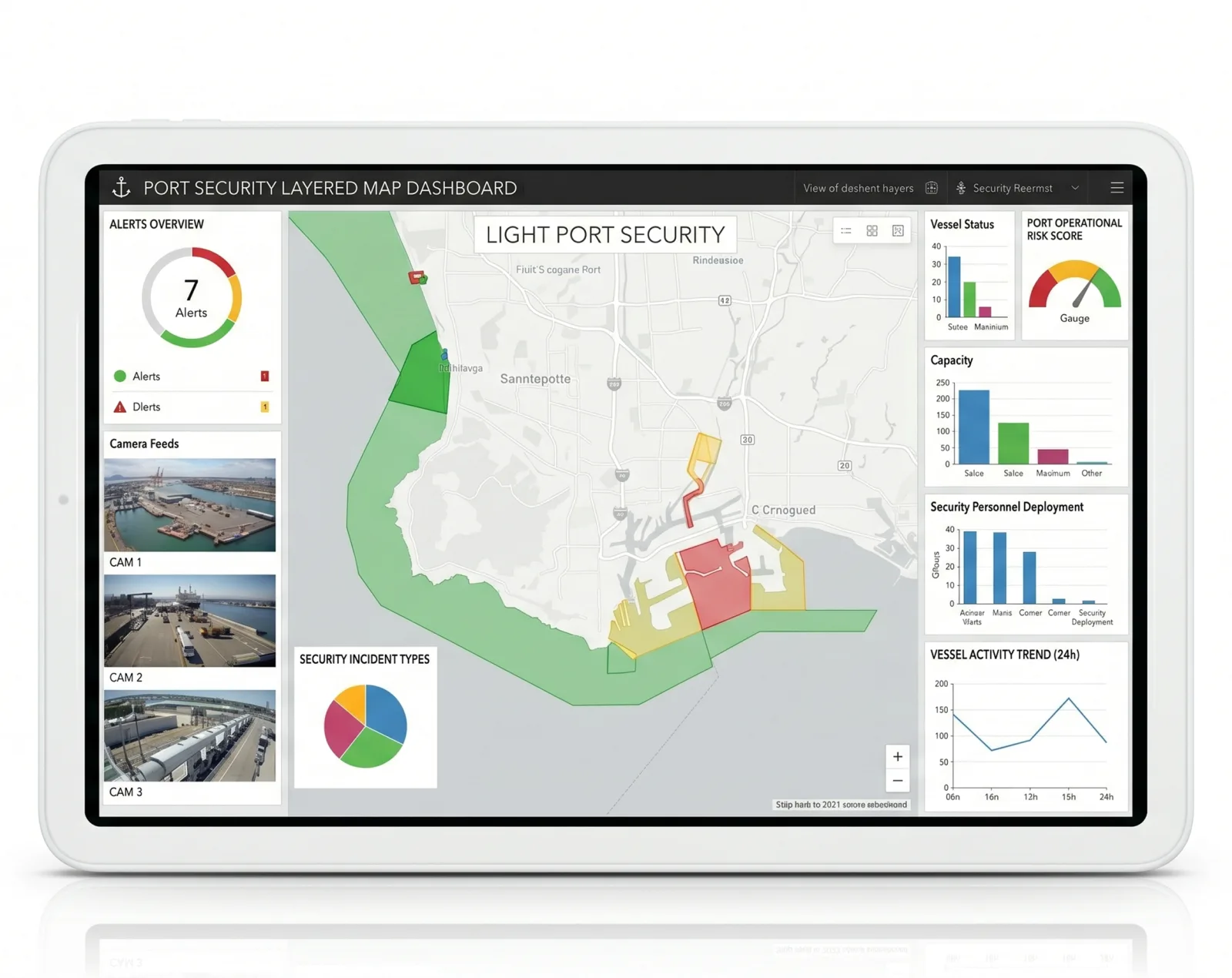
The answer is a unified control suite that links cameras, gates, yard systems, cargo sensors, and operational platforms into one live control surface.
Operations, safety, and leadership teams then act from shared data in minutes, not hours, across container movement, access, equipment condition, and terminal load.


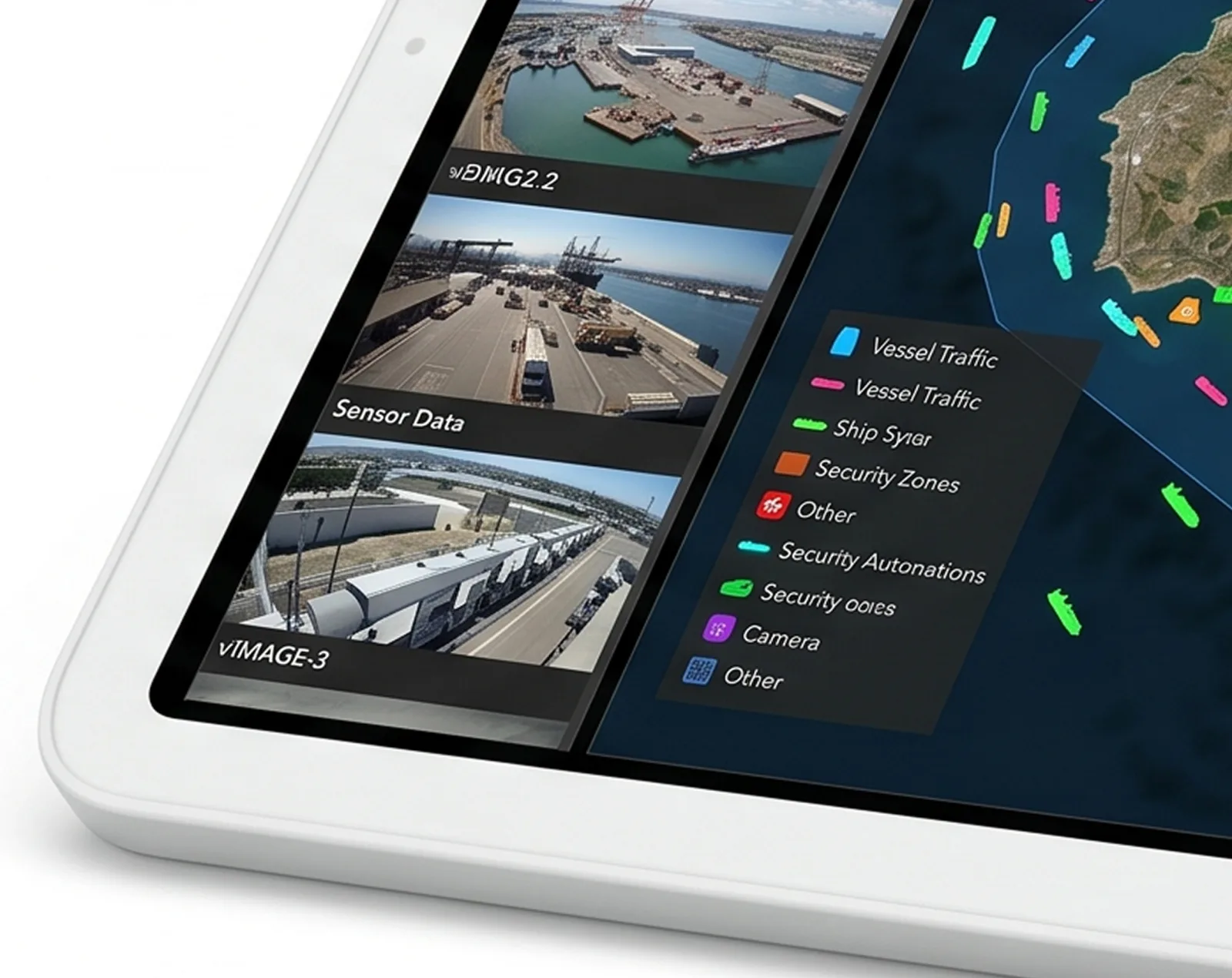
The platform links cameras, access points, cargo sensors, and operational systems into one real-time picture. Continuous tracking across transfer stages, automated routing of alerts, and one shared control screen replace fragmented oversight with operational command.

Ports lose performance when cargo, safety, and leadership systems stay split. The infrastructure direction rebuilds that stack into one operational loop.
Cargo Deviations Found Too Late
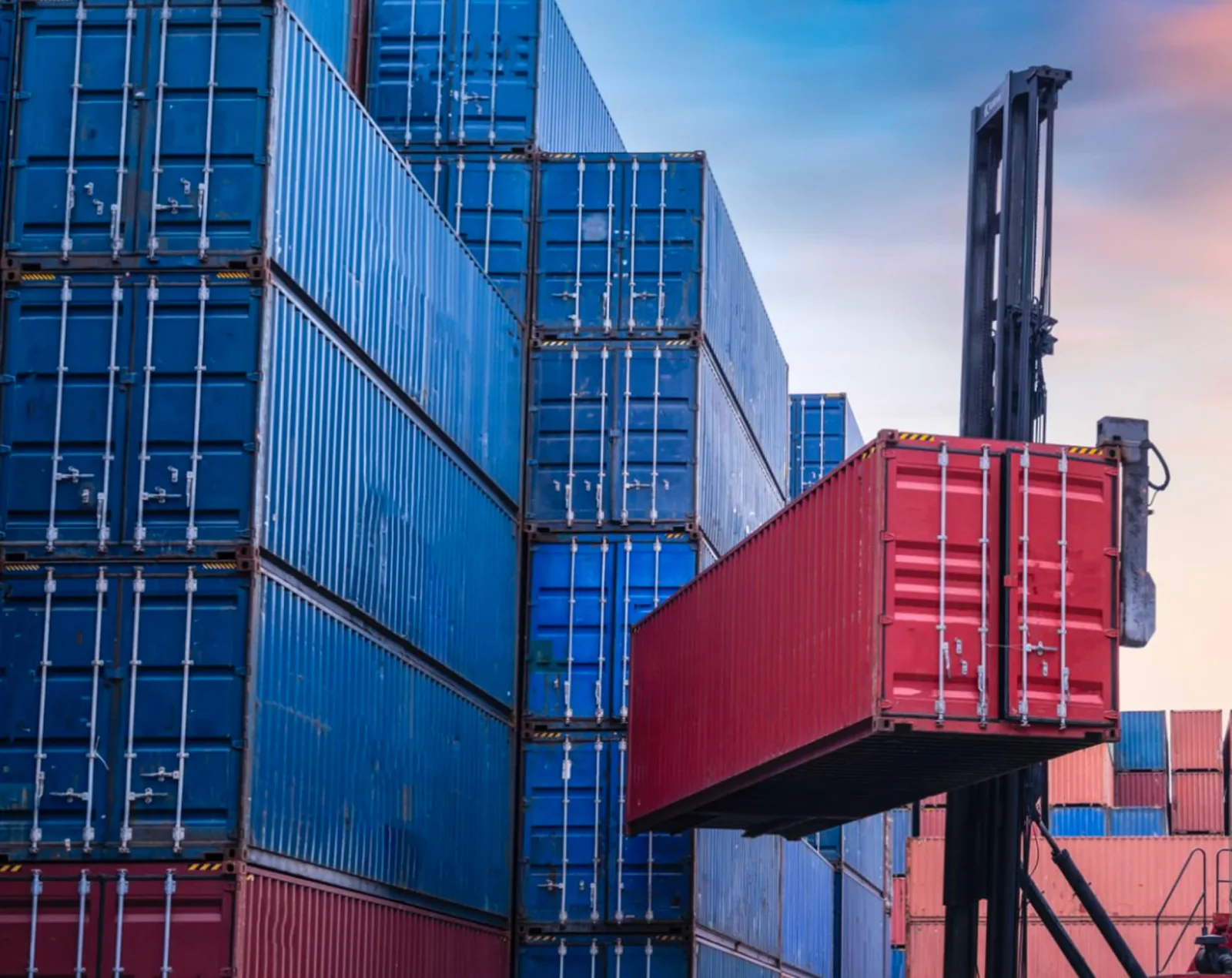
Without continuous tracking, cargo loss or route deviation is often found only after delays, disputes, and recovery costs have already escalated.
Incidents Happen Outside One Shared View
Camera, gate, yard, and berth monitoring are frequently split across tools, creating blind spots and slower responses for operations teams.
Leadership Sees Outdated Snapshots
Decision-makers often receive yesterday's reports instead of the live state of movement, safety, and infrastructure load.

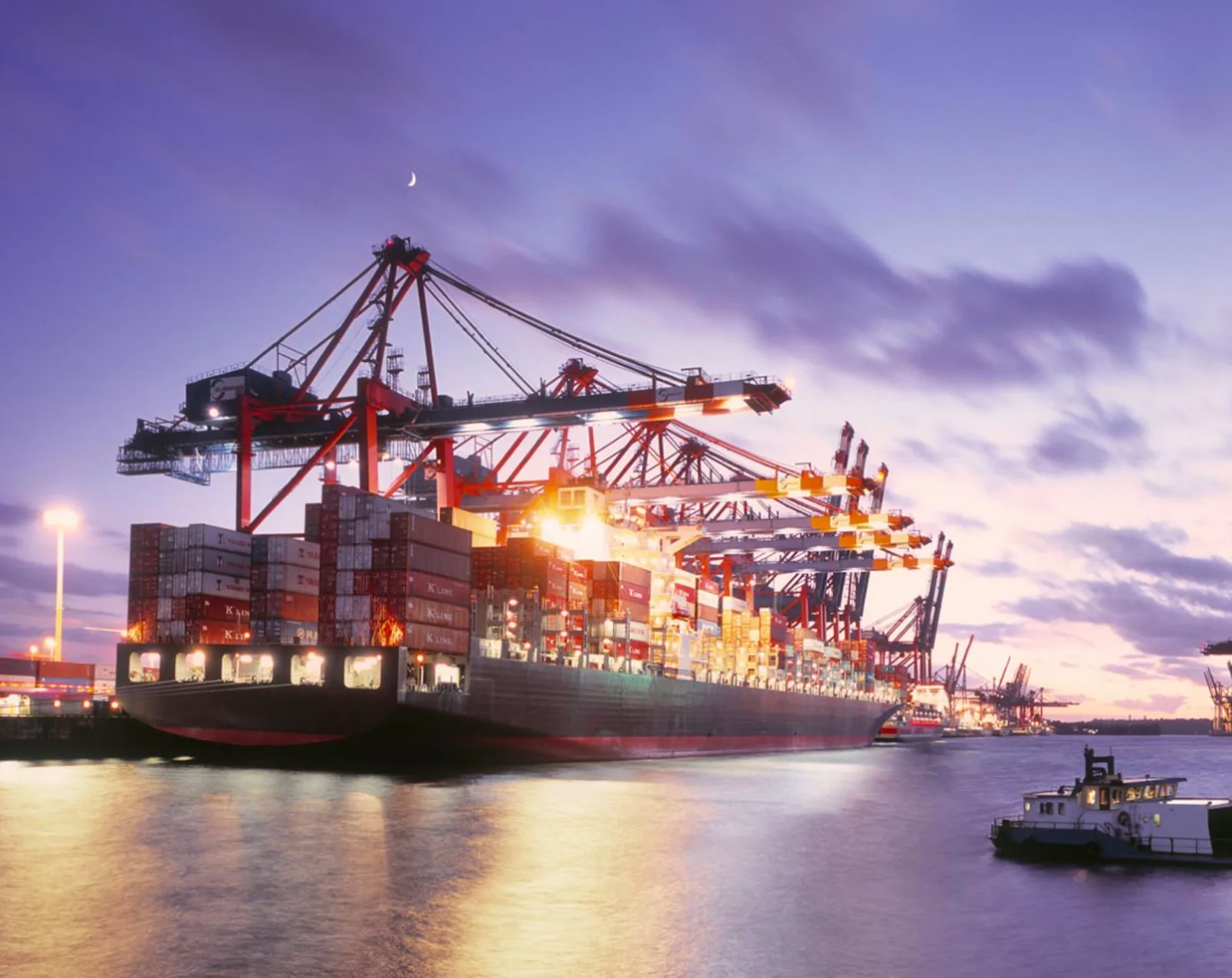
Live Visibility
Operations control
- Unified berth and gate monitoring
- Live cargo movement map
- Cross-terminal dashboard
- Container route history
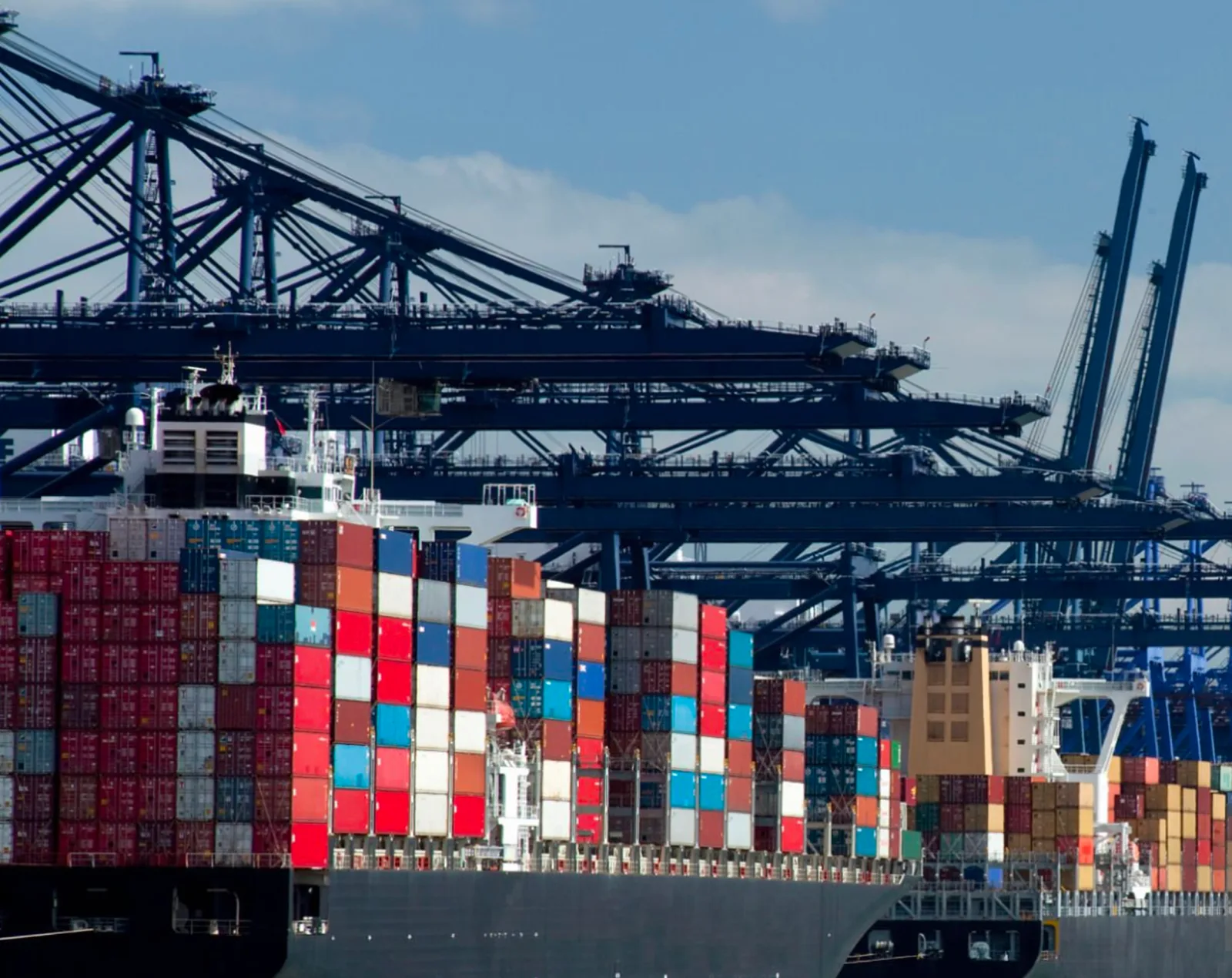
Security & Response
Safety layer
- Perimeter intrusion detection
- Access control correlation
- PPE and worker safety checks
- Instant escalation workflows
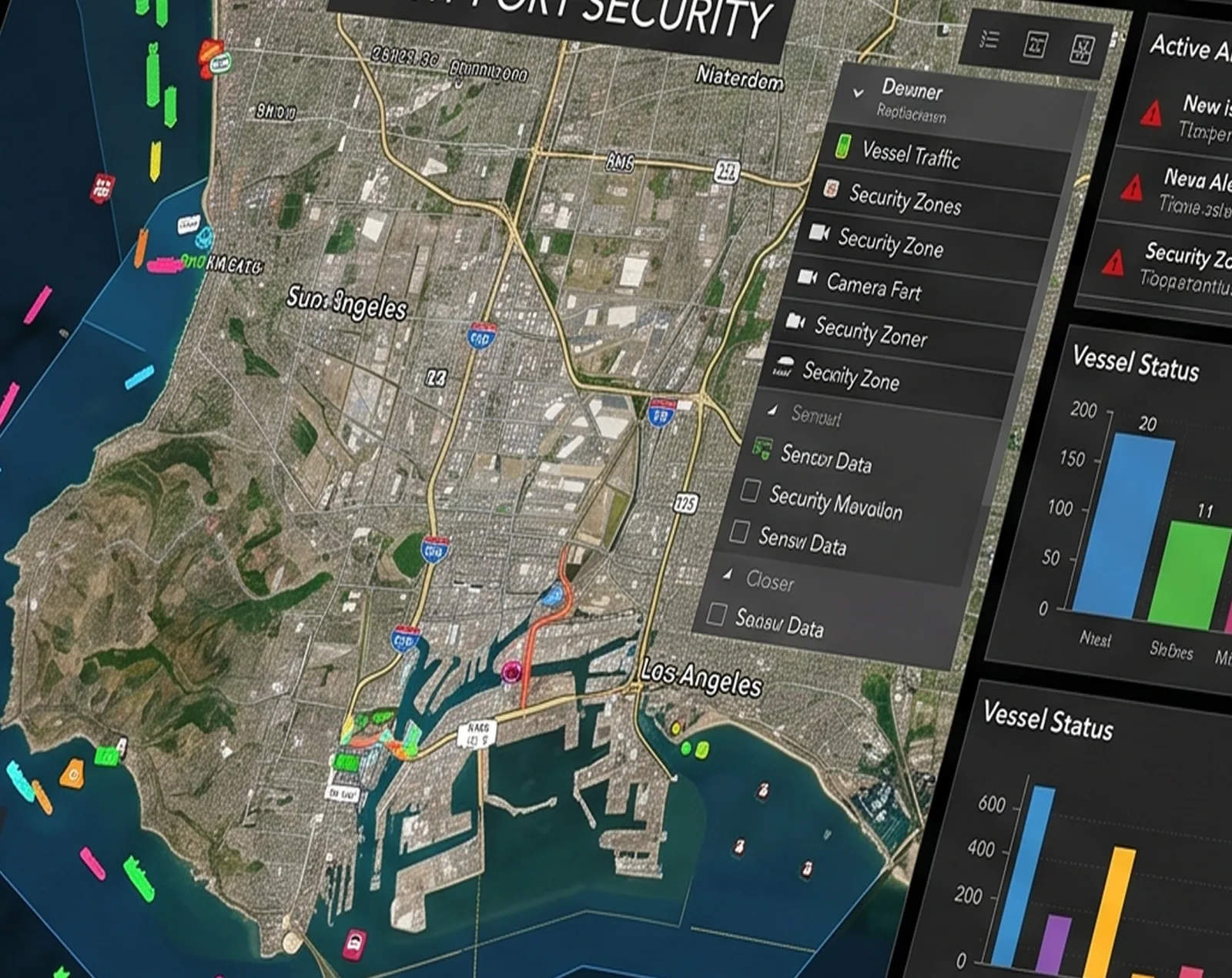
Digital Twin & AI
Predictive intelligence
- Real-time digital twin
- Scenario simulation
- Predictive maintenance signals
- ETA and queue optimization
Executive Command
Control surface
- Single operations timeline
- Event-based alerts
- Risk forecasting by zone
- Operator decision support


The infrastructure stack is built for secure cargo flow, unified operations, and live command across terminals. Cameras, access points, yard systems, berth activity, and equipment health are synchronized into one operational layer so deviations, incidents, and load constraints can be addressed before they become bottlenecks.

Investment Roadmap
Infrastructure & Setup
Months 1-2
Network, edge, compute, and secure backbone rollout for the operating environment.
Core Systems Deployment
Months 3-5
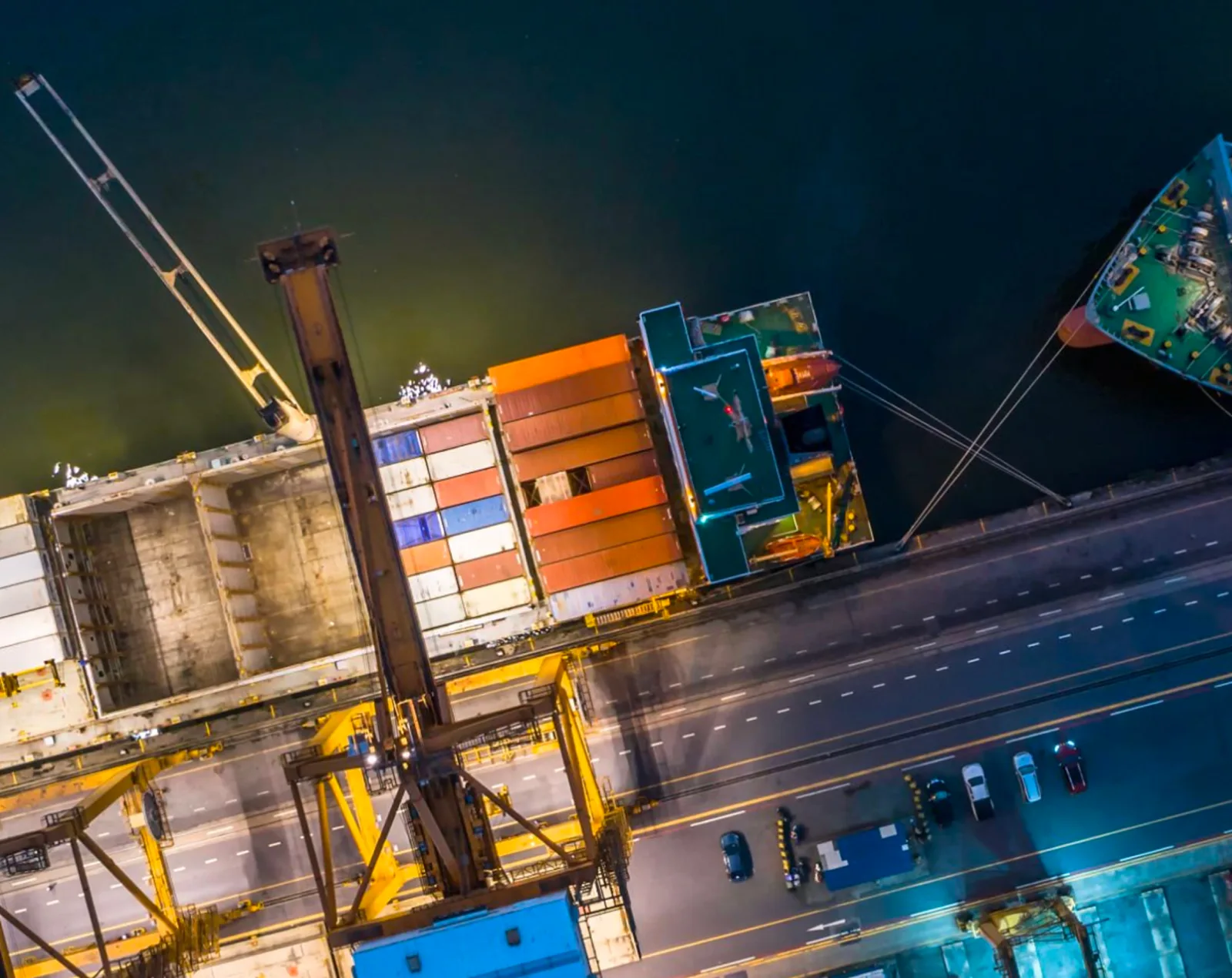
Video, gates, access, and cargo tracking foundation deployed across the core terminal logic.
AI Layer & Integration
Months 6-8
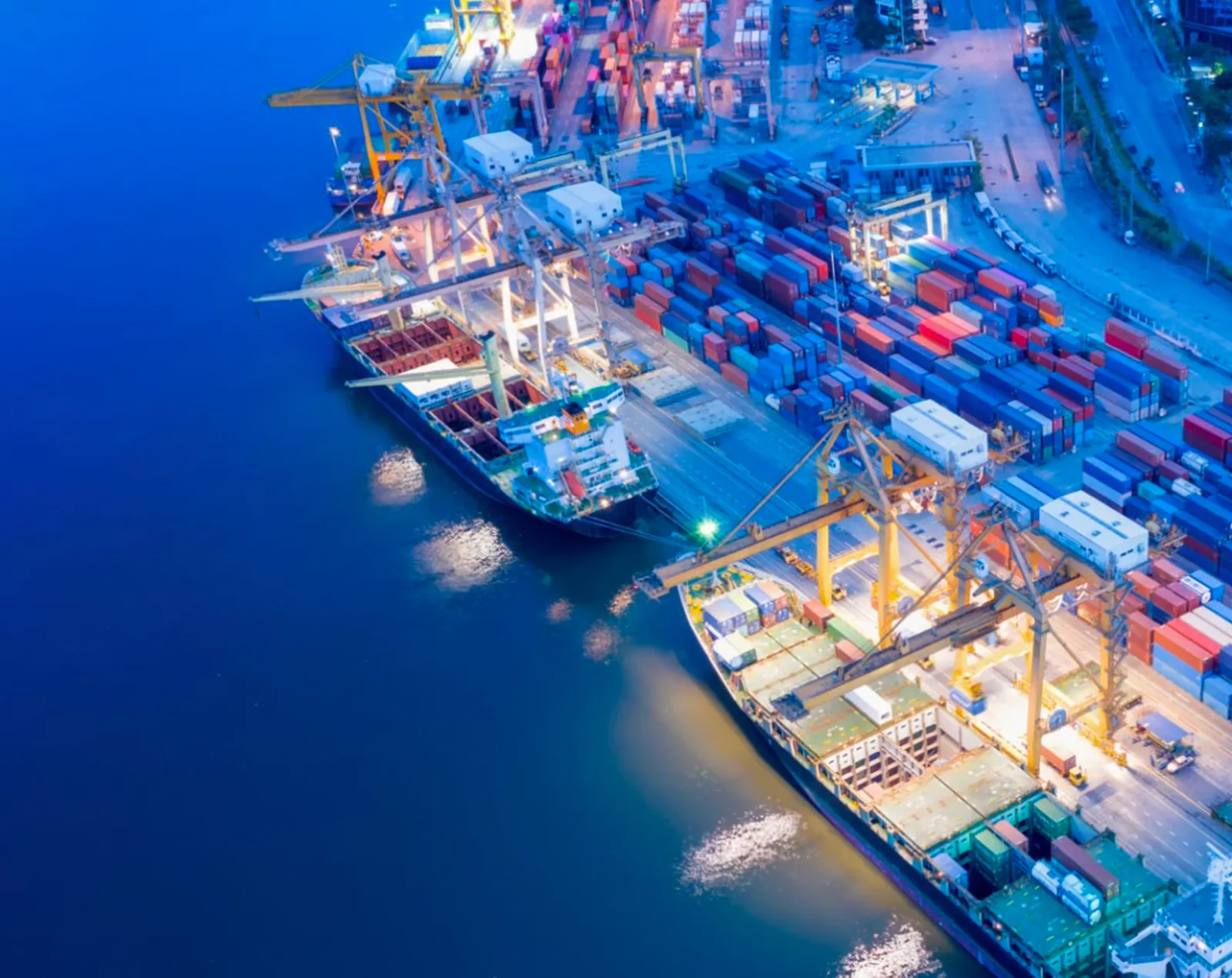
Digital twin, automation, ERP integration, and operational synchronization across shared systems.
Commissioning & Support
Month 9+
Training, handover, and long-term reliability support to stabilize the full transformation lifecycle.





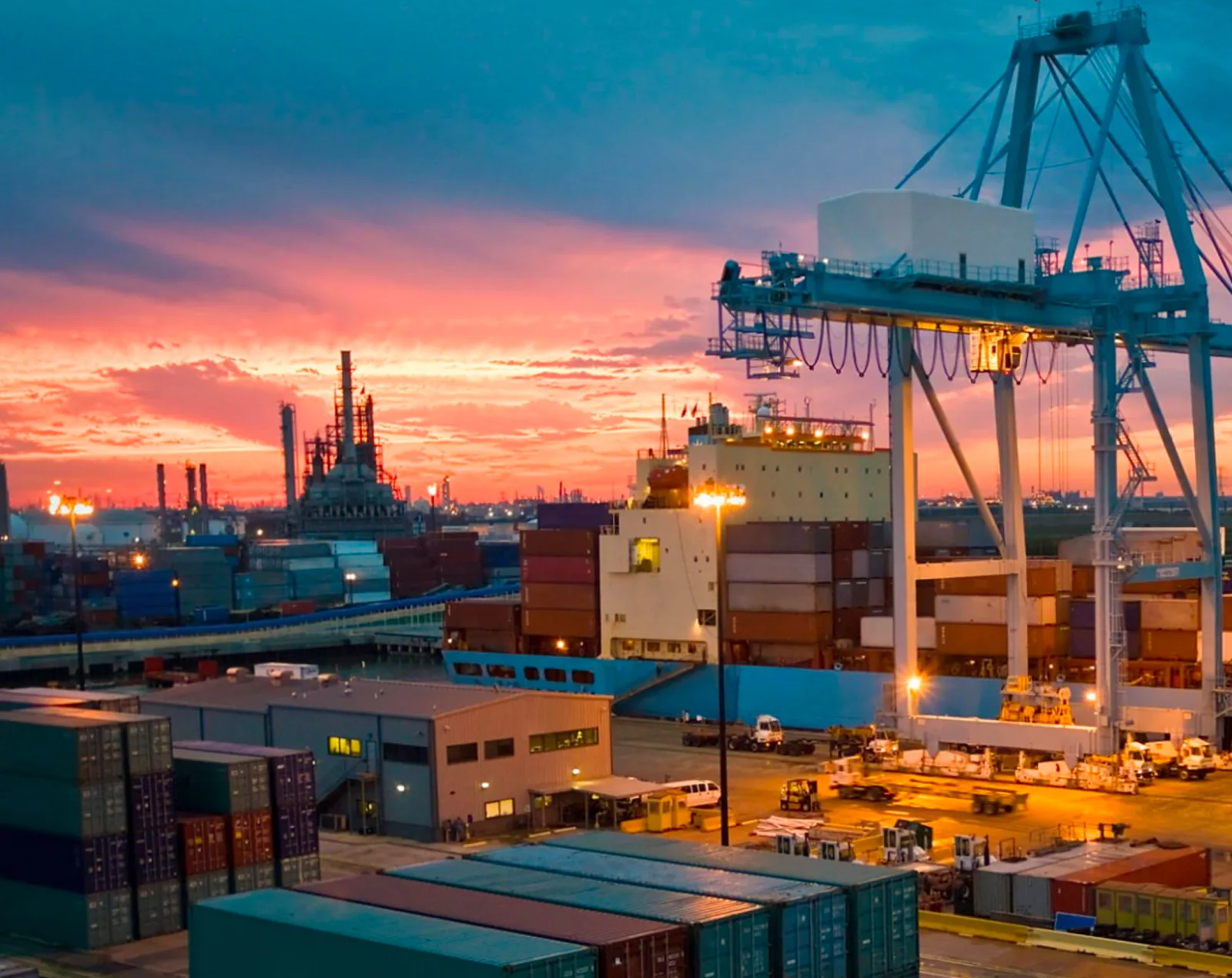
Tracked Container Routes
100% route visibility
Continuous tracking across transfer stages with instant deviation notifications for cargo flow and terminal coordination.
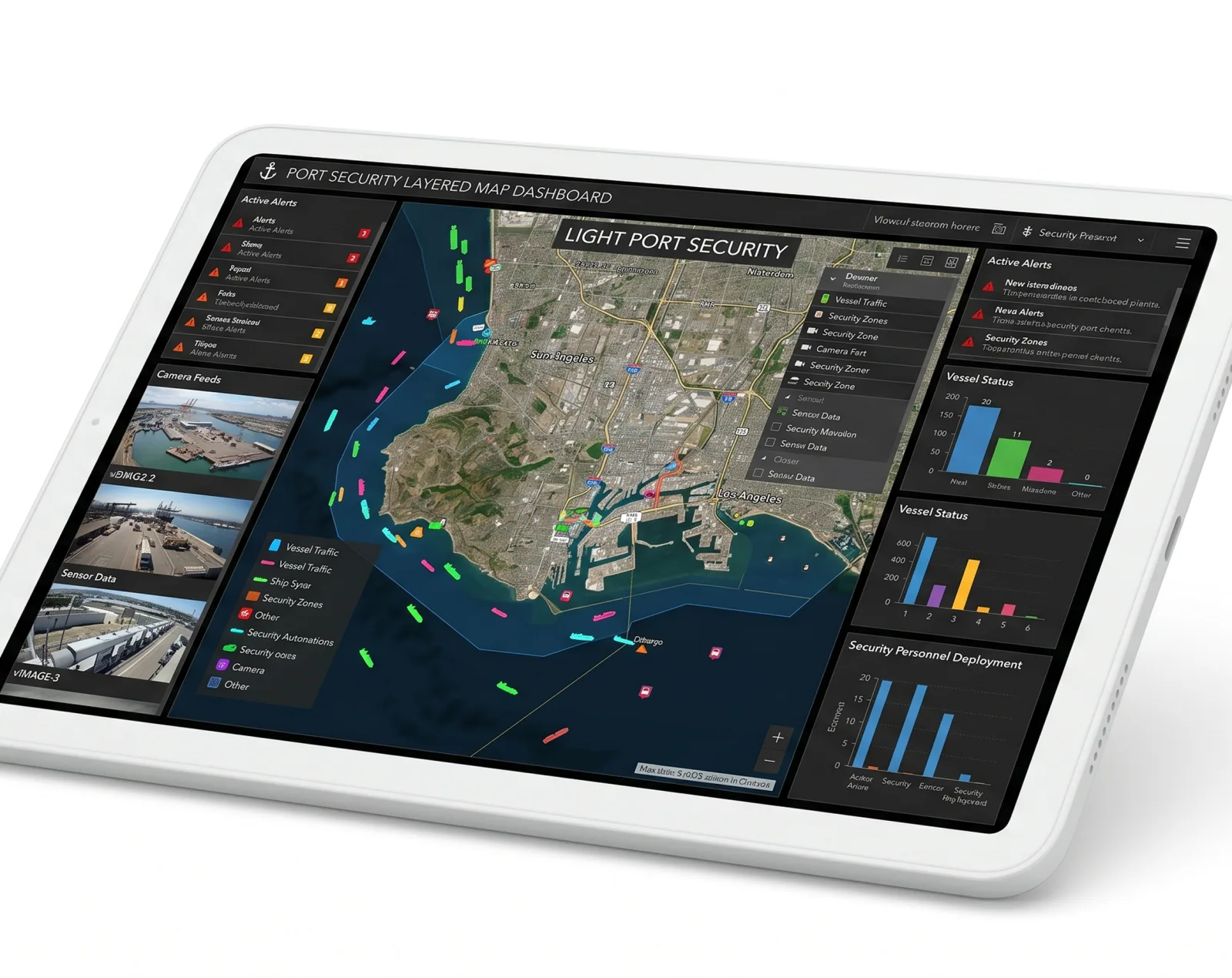
Unified Incident Response
< 5 minutes
Automated routing of alerts and evidence reduces response delay while operations, safety, and leadership work from one command surface.
Group Structure
Infrastructure inside the wider operating portfolio
Every direction is built on shared Labs capabilities, with its own sector logic, operating priorities, and deployment context. Infrastructure is highlighted below as the active focus inside the group structure.
Core research, platform architecture, and standardized technology transfer across all directions. Open page
Precision operations, yield analytics, and optimization for modern agricultural production chains. Open page
Identity verification, KYC/AML controls, and deepfake defense for regulated businesses and trust-critical workflows. Open page
Security operations, detection programs, and resilience engineering for enterprise and infrastructure assets. Open page
Data-led branding, launch systems, and audience infrastructure for ambitious brands under live-market pressure. Open page
Digital port transformation, live command systems, and secure cargo visibility for complex infrastructure operations. Open page
Monitoring, forecasting, and optimization systems for generation and distribution networks. Open page