

Observe Suite
Forecasting
Optimization
Governance
Energy
Energy


Digital operations for generation, transmission, and industrial energy assets where uptime and optimization are mission-critical.
We integrate SCADA-adjacent signals, maintenance intelligence, and compliance controls so operations teams act on one coherent state model.
Generation assets, substations, transmission endpoints, and industrial consumers are monitored inside one operational layer instead of being split between telemetry dashboards, maintenance logs, and governance spreadsheets.
That lets operators react earlier, balance loads better, and keep leadership aligned on the same live reliability picture.


The direction is built to convert fragmented energy signals into accountable operating actions. Unified telemetry, forecasting logic, and policy controls reduce response lag while keeping reliability and cost visible to both plant teams and leadership.

From plant health to dispatch logic, the stack is structured around three operating capabilities that keep reliability, efficiency, and governance moving together.
Grid and Plant Observability
Unified monitoring across generation assets, substations, transmission endpoints, and industrial consumers.
Demand and Load Forecasting
Forecast models for peak planning, dispatch decisions, and reserve optimization under dynamic demand curves.
Compliance and Resilience
Audit-ready evidence chains, security policies, and reliability controls embedded into day-to-day operations.

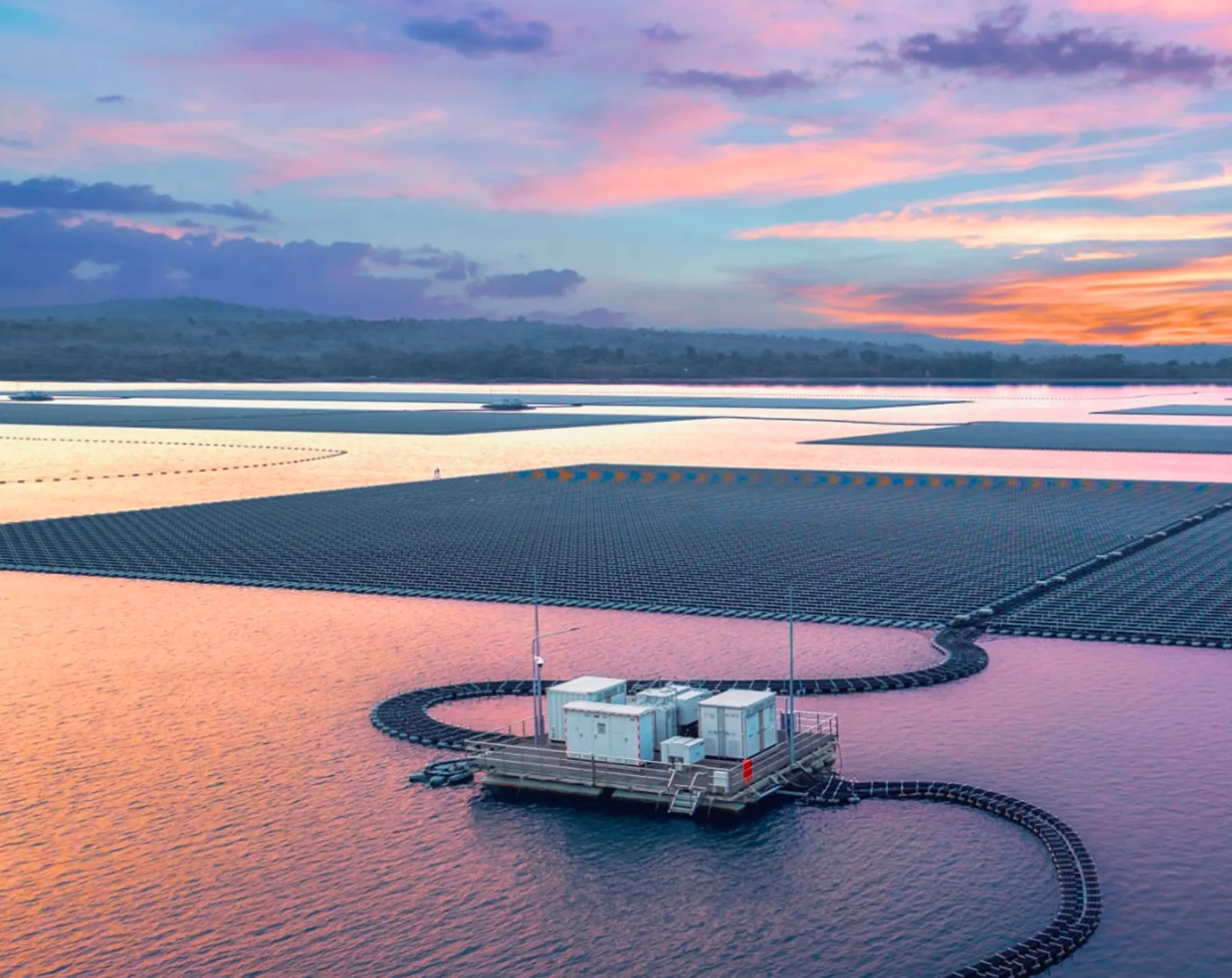
Observe Suite
Asset and grid visibility
- Asset telemetry ingestion
- Plant health dashboards
- Grid event correlation
- Condition monitoring alerts
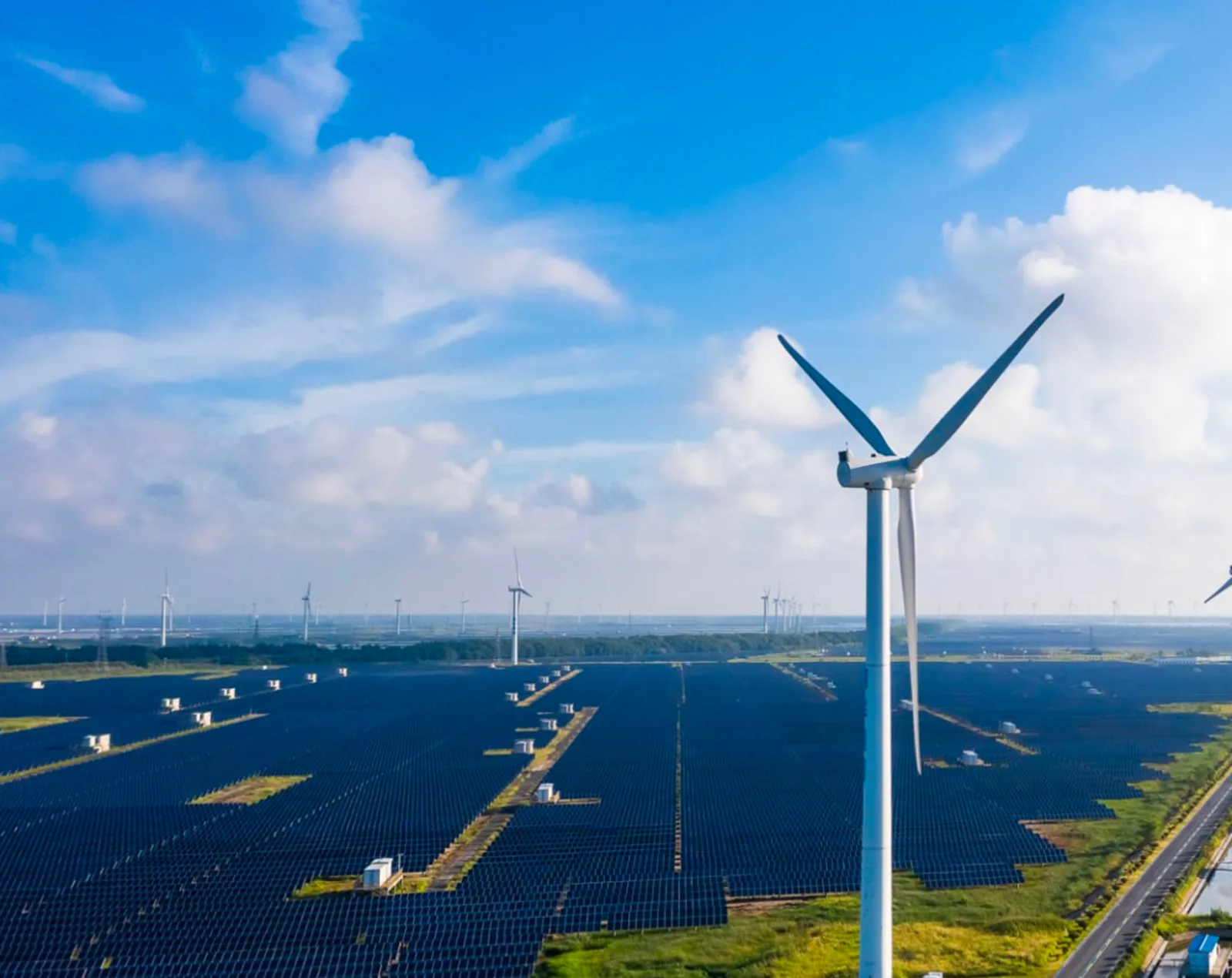
Optimize Suite
Efficiency and dispatch
- Load forecasting engine
- Dispatch recommendation logic
- Peak shaving orchestration
- Maintenance window optimizer
Govern Suite
Reliability controls
- Operational compliance controls
- Incident evidence vault
- Reliability scorecards
- Audit pack automation

Executive Governance
Control room and leadership layer
- Control-room playbooks
- Risk heatmap distribution
- KPI variance root-cause assistant
- Executive governance cockpit


Energy works when field telemetry, forecast logic, and resilience controls operate inside one loop. The stack is designed for generation, transmission, and industrial energy assets where efficiency gains are only valuable if uptime, safety, and governance remain intact.


Energy Transformation Lifecycle

Baseline & Instrumentation
Weeks 1-3
Asset inventory, telemetry harmonization, and reliability baseline established across the operating environment.

Pilot Optimization Loops
Weeks 4-8
Forecast and dispatch use-cases deployed in selected operating zones to validate response speed and efficiency gains.

Control-room Integration
Weeks 9-12
Alerts, runbooks, and governance workflows move into daily control-room operations and leadership review cycles.
Continuous Resilience Tuning
Ongoing
KPI steering, incident learning, and policy adaptation cycles keep reliability and efficiency improving together.


Unplanned Downtime
-21%
Improved event sequencing and incident response lower service interruptions before they cascade into broader outages.

Energy Efficiency
+14%
Optimization models reduce avoidable consumption across selected operations while keeping reserve logic and reliability intact.
Group Structure
Energy inside the wider operating portfolio
Every direction is built on shared Labs capabilities, with its own sector logic, operating priorities, and deployment context. Energy is highlighted below as the active focus inside the group structure.
Core research, platform architecture, and standardized technology transfer across all directions. Open page
Precision operations, yield analytics, and optimization for modern agricultural production chains. Open page
Identity verification, KYC/AML controls, and deepfake defense for regulated businesses and trust-critical workflows. Open page
Security operations, detection programs, and resilience engineering for enterprise and infrastructure assets. Open page
Data-led branding, launch systems, and audience infrastructure for ambitious brands under live-market pressure. Open page
Digital port transformation, live command systems, and secure cargo visibility for complex infrastructure operations. Open page
Monitoring, forecasting, and optimization systems for generation and distribution networks. Open page